Massage Services
Therapeutic Relaxation
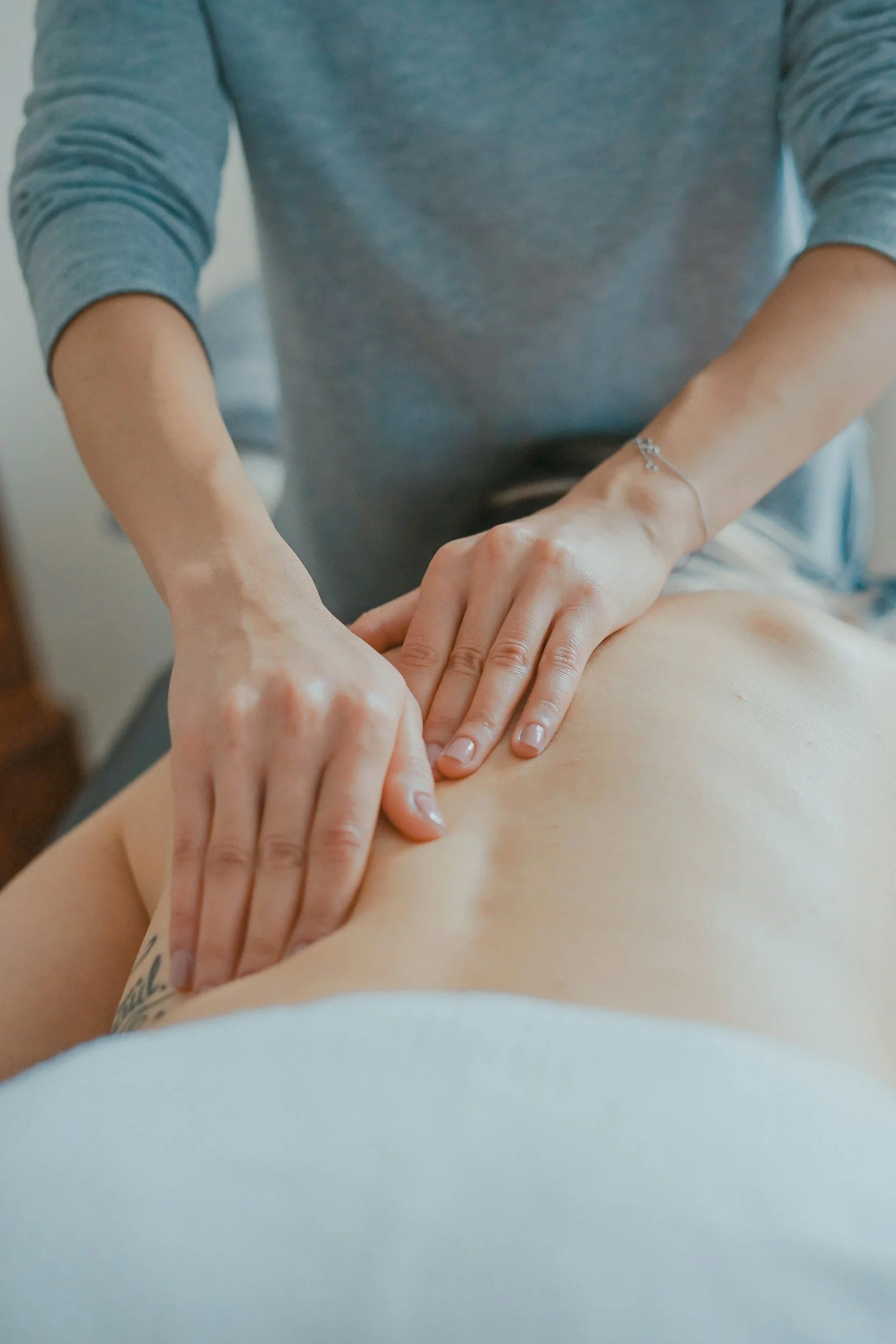
A therapeutic relaxation massage integrates techniques such as myofascial release, targeted tissue work, joint mobilization, and stretching with slow, controlled strokes. This approach supports nervous system regulation, reduces muscular tension, and promotes relaxation while maintaining therapeutic benefit. It is well-suited for individuals experiencing stress-related tension, generalized discomfort, or those seeking effective treatment without intense pressure.
What to Expect
During a therapeutic massage, clients can expect a calm, focused session tailored to their specific needs, with techniques adjusted to comfort and treatment goals. After the session, it is common to feel relaxed, lighter, or mildly sore, with improved movement and reduced tension often noticed over the following days. Staying hydrated and allowing time for rest can support optimal results.
Deep Tissue
Deep tissue massage is an effective treatment for chronic pain and persistent stiffness in the shoulders, lower back, and legs. It is commonly utilized by athletes and individuals whose daily activities involve prolonged sitting or standing. Using slow, deliberate techniques, this approach allows for precise, targeted work on restricted tissues while also supporting a calm, controlled, and therapeutic treatment experience
What to Expect
During a deep tissue massage, clients can expect slow, deliberate pressure focused on areas of chronic tension, with clear communication to ensure comfort throughout the session. After treatment, mild soreness or tenderness may occur for one to two days, often followed by reduced pain, improved mobility, and a lasting sense of relief. Hydration and gentle movement can help support recovery..
Cupping Therapy
Cupping therapy is a suction-based technique that helps release restricted fascia, improve tissue mobility, and increase local blood flow. By lifting and separating layers of tissue, cupping supports circulation and lymphatic movement, assisting the body in clearing metabolic waste and accumulated toxins. This approach can reduce muscular tension, enhance recovery, and improve overall tissue health. It is most often incorporated into massage sessions on target or problem areas,
What to Expect
Cupping may sometimes leave temporary red or purple marks on the skin, which are a normal response to increased circulation and tissue release. These marks are not bruises and typically fade within a few days to a week, depending on individual sensitivity and the level of restriction present. Their appearance often indicates areas of stagnation or fascial restriction and does not interfere with daily activities.
Kinetic Massage
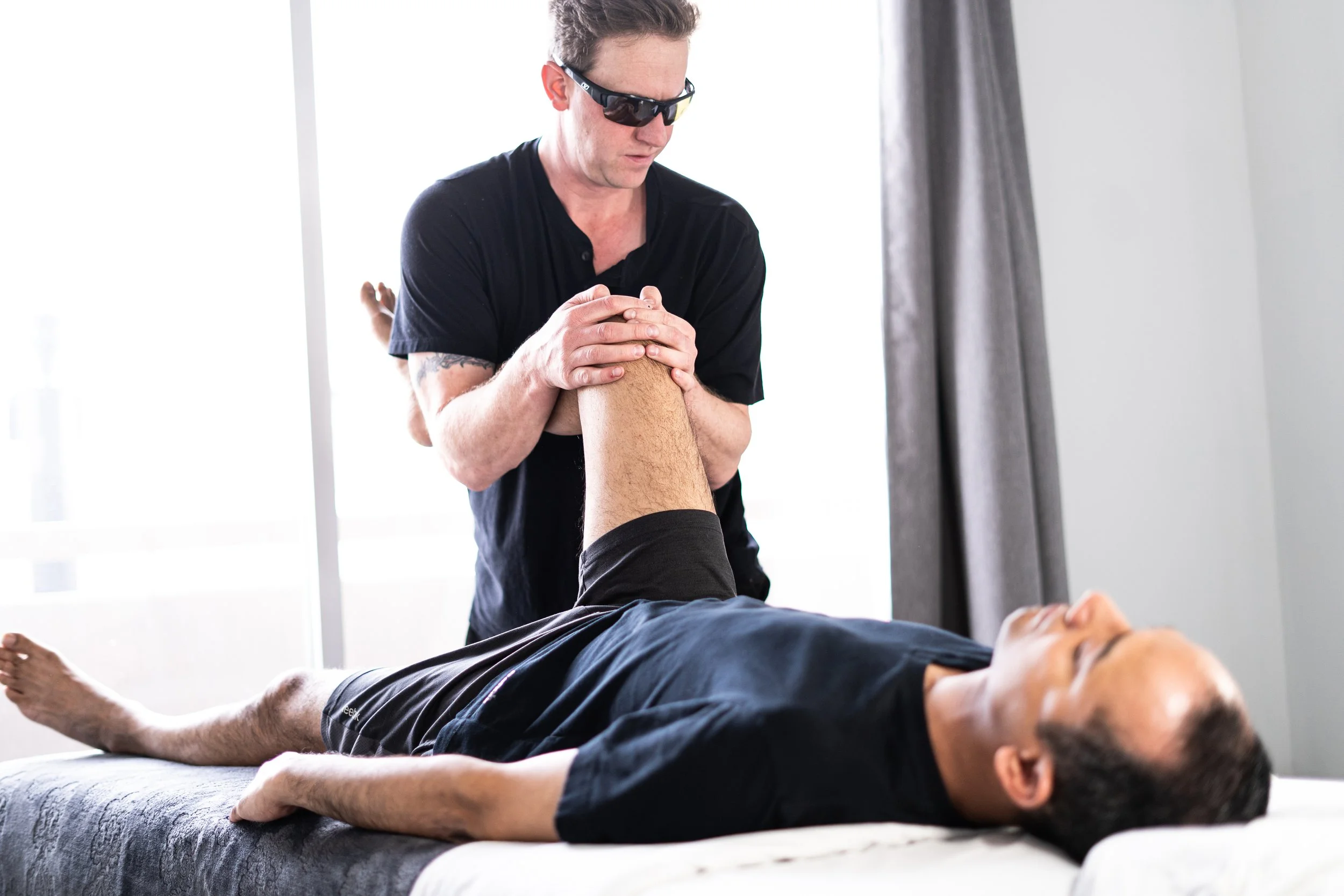
Kinetic massage is a movement-based form of manual therapy that focuses on improving how the body moves rather than treating muscles in isolation. It combines hands-on techniques with active and passive movement to assess joint function, release fascial restrictions, and retrain inefficient movement patterns. By addressing how muscles, joints, and the nervous system work together, kinetic massage can help reduce pain, improve mobility, and restore more natural, efficient movement in daily activities and athletic performance.
During a kinetic massage session, clients can expect a dynamic, movement-based approach that combines hands-on techniques with guided motion to assess and improve joint function. Treatment is tailored to individual movement patterns and comfort levels. After the session, clients often notice improved mobility, reduced stiffness, and a greater sense of ease in everyday movement, with minimal post-treatment soreness.
What to Expect
RAPID NeuroFascial Reset
RAPID NeuroFascial Reset (RAPID NFR) is a specialized manual therapy technique that focuses on the nervous system’s role in pain and movement restriction. It uses precise, targeted pressure combined with active movement to locate and release restricted or sensitized fascial tissue. By working directly with the nervous system, RAPID NFR aims to quickly reduce pain, restore range of motion, and resolve dysfunctional movement patterns, often producing noticeable changes within a short period of time.
What to Expect
During a RAPID NeuroFascial Reset (NFR) session, clients can expect a focused, interactive treatment using precise pressure with guided movement and breathing. Sensations may include brief discomfort as restricted tissues are addressed. After treatment, many clients notice rapid improvements in pain and mobility, with possible mild soreness or fatigue that typically resolves within one to two days.


Questions?
-
No! It is up to you what to wear during your massage. You will be covered by a sheet throughout the massage. Only the part of the body that is being treated will be uncovered.
-
David attended Mount Royal University and graduated from the 2200-hour massage therapy diploma program.
-
David does not direct bill to insurance companies. But not to worry, David is approved for reimbursements! You will be provided with an invoice via email for reimbursement from your insurance company.
You can pay with all major credit cards, debit or E-transfer (before leaving). Card billing is done via Square Canada. If you want to pay in cash please bring the exact amount, David does not keep change on hand.
-
No. David’s services are available in-clinic only – at Unit 1, 1607 20th Ave NW Calgary, AB
-
Your appointment time is reserved just for you. A late cancellation or no-show leaves a hole in the therapist’s day that could have been filled by another client. As such, David requires 24 hours notice for any cancellations. Clients who provide less than 24 hours notice or miss their appointment may be charged a cancellation/no-show fee of $75. You cannot submit cancellation or no-show fees to your insurance company.
-
-
Absolutely! Upon arrival, David will discuss your needs and preferences to create a treatment plan. It’s not uncommon for clients to request only upper or lower body focus or to skip areas of the body where massage is uncomfortable or not preferred.
-
30-minute – $70 | 60-minute – $110 | 75-minute – $130 | 90-minute – $160 | 30-minute Lower Leg & Foot – $60
Cupping is always included at no extra cost!
-
Yes! First-time clients can enjoy a 60-minute massage for just $90!
David also has referral incentives. Refer a friend or family member to David Balfour Massage and you will receive $20 off your next massage! -
For any questions or concerns related to a previous treatment, speak with David before your next appointment or email with your full name, phone number and specific questions.
Still want more information?
Contact David directly by email with your question